Financial Statement PreparationGenerate accurate financial reports with our expert preparation services, ensuring clarity and compliance for your business.Learn moreCorporate Tax ServicesNavigate corporate tax complexities with ease using our comprehensive tax solutions designed specifically for businesses.Learn moreTax & Estate PlanningStrategically plan your taxes and estate with our tailored advice, optimizing wealth preservation and succession.Learn more

Tax Instalment Deadline – September 15, 2025

If you’re required to pay taxes by instalments (common for self-employed or rental/investment income), your next quarterly payment is due by September 15, 2025. Late payments may trigger interest charges from the CRA.

DaysHoursMinutesSeconds

Contact Us for Tax Support

Who needs to pay taxes by April 30?


All Canadian taxpayers must ensure their taxes owed for the previous year are paid by April 30 to avoid interest charges. This includes employed, self-employed individuals, and those with other sources of income.

What happens if I miss the April 30 deadline?


If taxes owed are not paid by April 30, the Canada Revenue Agency (CRA) will apply interest on the outstanding amount. It’s important to pay on time to avoid these additional charges.

I'm self-employed. When is my tax return due?


Self-employed individuals and their spouses or common-law partners have until June 15 to file their tax returns. However, any taxes owed must still be paid by the April 30 deadline.

What if I need more time to file my tax return?


If you cannot meet the filing deadline, it’s still important to pay any estimated taxes owed by April 30 to avoid interest. While you can’t extend the payment deadline, filing late without payment will result in late-filing penalties in addition to interest on owed taxes.

Are there penalties for filing taxes late?


Yes, if you owe taxes and file your return late, the CRA will charge a late-filing penalty. The penalty is 5% of your balance owing, plus 1% of your balance owing for each full month your return is late, to a maximum of 12 months.

How can I find out how much I owe or get help?


You can check your tax account balance online through the CRA’s My Account service, contact the CRA directly, or seek assistance from a tax professional.

Simplified Digital Accounting

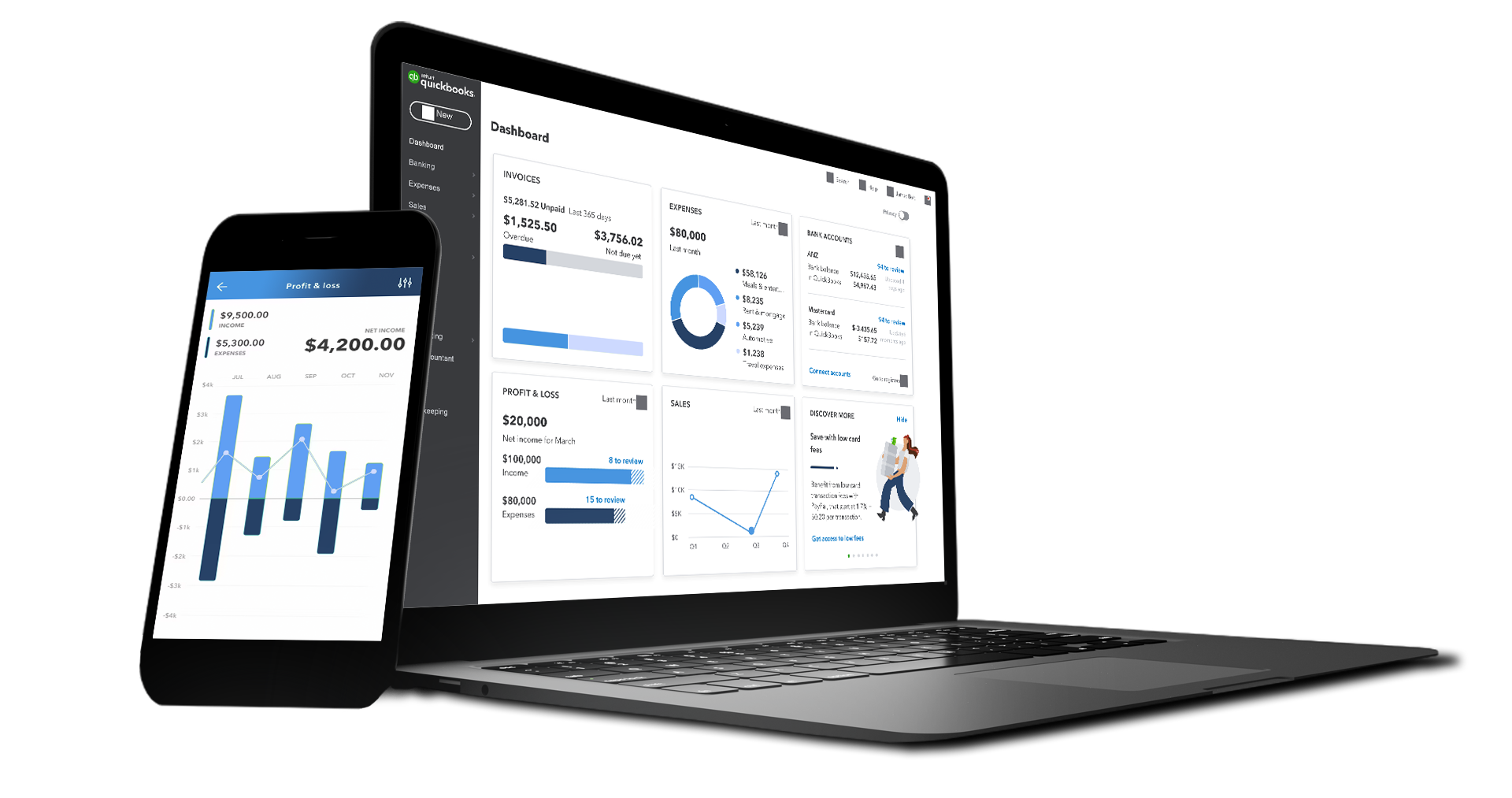
Our accounting service blends digital tools with professional expertise to simplify tasks and protect your information. We provide easy, paper-free access to our advice, making things more efficient without needing face-to-face meetings. With advanced IT and security, we cover everything from bookkeeping to tax prep, improving how you manage your finances.

sage logo
telpay logo
intuit logo
fresh books logo


Virtual Accounting Services


Disclaimer: Information and projections are based on governmental and credible sources for general guidance only. Future projections are estimates and may vary. We are not liable for reliance on this data. Ontario Economic Data Table and Chapter 2: Economic Performance and Outlook.

Ontario 2019-2026: Economic Growth vs. Inflation

This graph encapsulates the economic trends in Ontario from 2019 to 2026, focusing on Real GDP growth and inflation rates. It illustrates the province’s recovery post-2020 economic downturn and projects a steady growth trajectory into 2026, amidst global economic fluctuations Ontario Budget 2023. The graph also sheds light on inflation’s impact, notably the sharp rises in energy and food prices, offering a nuanced view of the challenges and resilience within Ontario’s economy Ontario Economic Update. This visual narrative provides essential insights for informed financial and strategic planning in a changing economic landscape Ontario Chamber Report.

Personal Tax Services

-4.8%

GDP Decline

2020 Downturn

+5.1%

GDP Increase

2021 Rebound

7.13%

Peak Rate

2022 Inflation

+2.8%

Rate rise

2026 GDP Stability

-4.8%

GDP Decline

2020 Downturn

+5.1%

GDP Increase

2021 Rebound

7.13%

Peak Rate

2022 Inflation

+2.8%

Rate rise

2026 GDP Stability

The 40/30/20/10 Financial Framework: Balance and Growth

Optimize your finances with the ’40/30/20/10 Rule’: 40% for essentials, ensuring stability; 30% for lifestyle, maintaining enjoyment; 20% for savings, focusing on future growth; and 10% for tax planning and debt reduction, leveraging our expertise for your financial health.

Essential Expenses
Lifestyle and Discretionary Spending
Savings and Investments
Tax Planning and Debt Reduction

Disclaimer: The ’40/30/20/10 Financial Framework’ is a general guideline. Individual financial situations vary greatly. Consult a professional advisor to tailor advice to your unique circumstances.


Personal Financial Planning


f

About us

Lorem ipsum dolor sit amet, consectetur adip isicing elit, sed do eiusmod. Tempor inciditnt ut labore et dolore magna aliqua.

prime@qodeinteractive.com

+381 123 456 677

Mon - Sat 8.00 - 18.00

Sunday closed